Guide
What does webtoon mean in English?
A webtoon is a digital comic made to be read on a screen by scrolling down one long vertical strip. The word blends "web" and "cartoon" and comes from Korean 웹툰 (weptun). The Cambridge Dictionary defines it as a comic in digital form, originally produced in South Korea. WEBTOON in capitals is also the name of Naver's comics platform.
Table of contents
The short definition is in the answer above. This guide gives the dictionary definitions in English and Korean, where the word came from, the difference between a webtoon and a manhwa, and why WEBTOON is sometimes a brand and sometimes a format. For a one-paragraph entry, see webtoon in our glossary.
What does webtoon stand for?
It does not stand for initials. Webtoon is a blend of two English words, "web" and "cartoon." The Cambridge Dictionary says so in its entry: "The word webtoon comes from 'web' and 'cartoon'." The blend was made in Korean first, as 웹툰, and English took it from there.
| Source | Definition | Language |
|---|---|---|
| Cambridge Dictionary | "a comic ... in digital form shown on the internet, originally produced in South Korea" | English |
| Standard Korean Language Dictionary (National Institute of Korean Language) | 웹툰(webtoon): "인터넷 웹사이트를 통하여 연재되는 만화," a comic serialized through an internet website | Korean |
| Wikipedia, Webtoon | "a type of episodic digital comics that originated in South Korea usually meant to be read on smartphones" | English |
The Korean definition is the widest. It counts any comic serialized on a website. The English definitions add the Korean origin, and Cambridge adds the reading style in its example: "A webtoon is read vertically by scrolling down on a computer or smartphone."
How do you pronounce webtoon?
Cambridge gives two English pronunciations: /webˈtuːn/ in British English, with the stress on "toon," and /ˈweb.tuːn/ in American English, with the stress on "web." In Korean, 웹툰 is romanized as weptun.
Where does the word webtoon come from?
From the Korean web portals of the early 2000s. Wikipedia's history of the format, with its sources:
- 2000: Lycos Korea opens a comics section on its portal, the start of the webtoon model.
- 2003: Daum starts Daum Webtoon. Cartoonist Kang Full publishes Love Story (Soonjeong Manhwa) on Media Daum, a long-form scrolling comic. Cambridge's example sentence calls it "the world's first serialized long-form webtoon."
- 2004 or 2005: Naver starts Naver Webtoon. Naver's own records give two dates: a 2014 announcement says 2004, and its corporate history says December 2005.
- July 2014: Naver launches the English service as LINE Webtoon.
- 2019: The international service takes the name WEBTOON in the Americas and Europe.
The scrolling layout came with the technology. Early web comics were scanned print pages. As screens and pages loaded faster, artists drew for one long strip, and smartphones then made the narrow, tall strip the standard.
Is WEBTOON the app or the comic?
Both, depending on the spelling. "Webtoon" in lower case is the format. "WEBTOON" in capitals is Naver's platform, which Wikipedia describes as a digital comics platform developed by Naver Corporation. The platform runs under different names by region: NAVER WEBTOON in South Korea, LINE MANGA in Japan, LINE WEBTOON in Southeast Asia and WEBTOON in the Americas and Europe.
The name is also a trademark. Japanese Wikipedia notes that "WEBTOON" is a registered trademark of NAVER WEBTOON Ltd. in Japan, the US, the UK and other markets. For that reason, it says, Japan calls scrolling comics in general 縦読み漫画 (tateyomi manga, "vertical-read manga"). So a Japanese reader may say tateyomi where an English reader says webtoon.
What makes a comic a webtoon?
Wikipedia lists the common traits: each episode is one long vertical strip on an infinite canvas, most are in colour rather than black and white, and some add music or animation. Episodes come out on a schedule in an app or on a website. The format changes how a comic is drawn and lettered:
| Feature | Webtoon | Print manga or manhwa | Webcomic |
|---|---|---|---|
| Layout | One tall vertical strip per episode | Pages and spreads | Any: strips, pages or scrolls |
| Colour | Usually full colour | Usually black and white with screentone | Any |
| Where it is read | Phone apps and websites | Magazines, then volumes | Websites |
| Pacing | Space between panels sets the timing | Page turns set the timing | Depends on the comic |
| Origin | South Korea | Japan (manga), Korea (manhwa) | Worldwide |
Cambridge defines a webcomic as "a comic ... in digital form shown on the internet," without the Korean origin. Every webtoon is a webcomic, but not every webcomic is a webtoon.
Who makes webtoons, and how are they paid for?
Many webtoons are made by teams. Japanese Wikipedia notes that, besides the vertical layout and full colour, webtoon production splits the work into more separate jobs than manga production does, citing an NHK report and an interview with a webtoon editor.
Readers usually read in an app. English Wikipedia describes several payment models: some services give a set of chapters for free and charge for the rest, and others allow a set number of free chapters a day. Creators can earn from ads on their series, and on some platforms their pay depends on page views. The WEBTOON platform's Canvas section lets any creator upload a series, and Wikipedia notes that creators there can be paid based on page views.
Webtoons also travel to other media. The Cambridge Dictionary's own example sentence for the word is "Several webtoons have been adapted for the big screen," and Wikipedia lists the 2006 film Tazza, based on a comic by Huh Young-man, as one of the earliest examples.
What is the difference between webtoon and manhwa?
Manhwa is the general Korean word for comics. Outside Korea, Wikipedia notes, it usually means comics made in Korea, in any format. Webtoon is a format. So most Korean webtoons are manhwa, and a printed Korean comic is a manhwa but not a webtoon. A webtoon from Japan, China or the US is a webtoon but not a manhwa.
Readers often use the two words for the same thing, because most Korean comics now come out as webtoons first. Our guide to manga, manhwa, manhua and webtoons compares all four, and the glossary has entries for manhwa and manhua.
What does webtoon mean for translators?
The format changes the job. A webtoon arrives as a stack of image slices that join into one strip, so a speech balloon can cross the edge between two slices. Balloons, captions and sound effects are often in colour, which makes the text harder to clean than black on white. Each platform sets its own width and file size limits, listed in our guide to webtoon sizes and file specs.
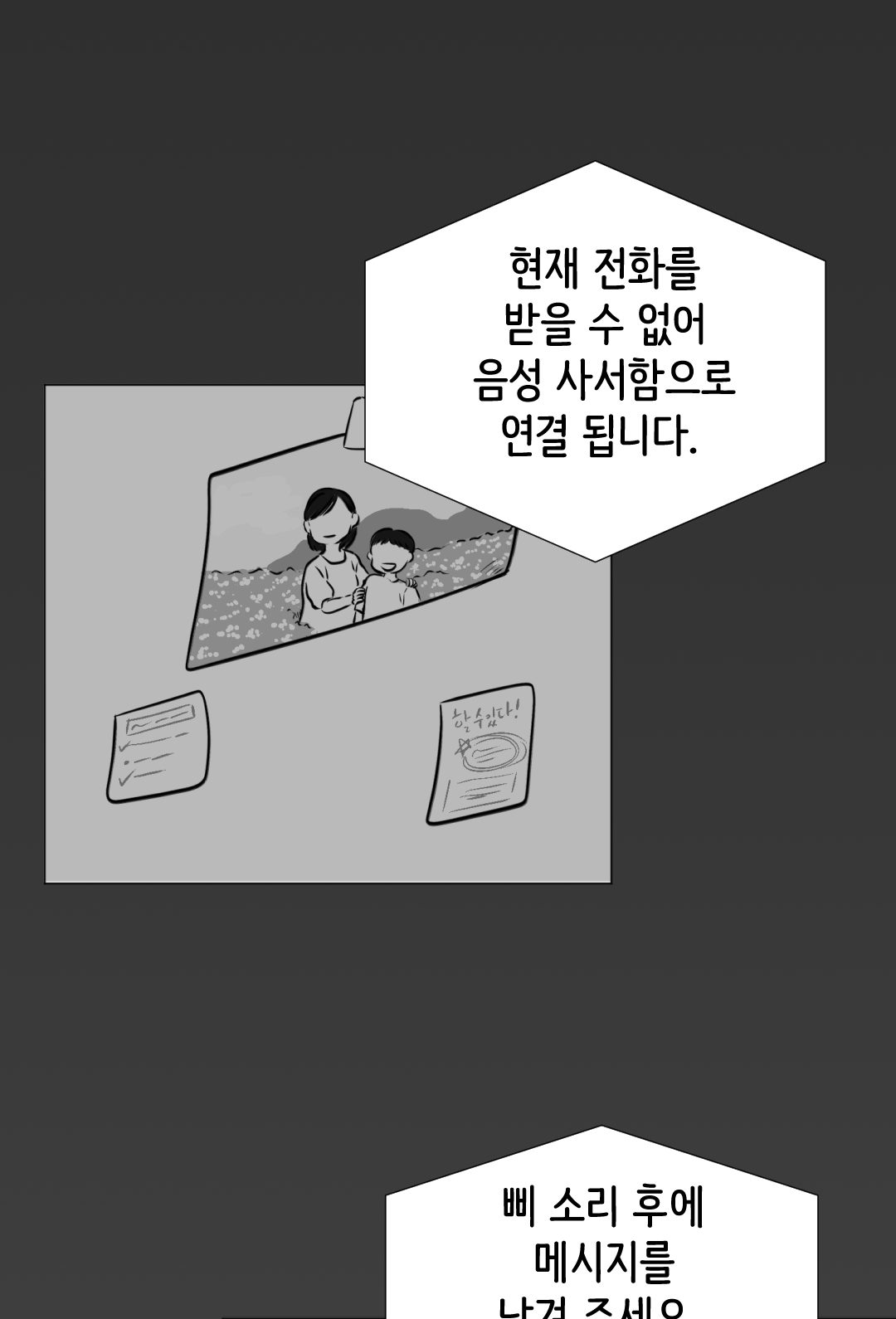
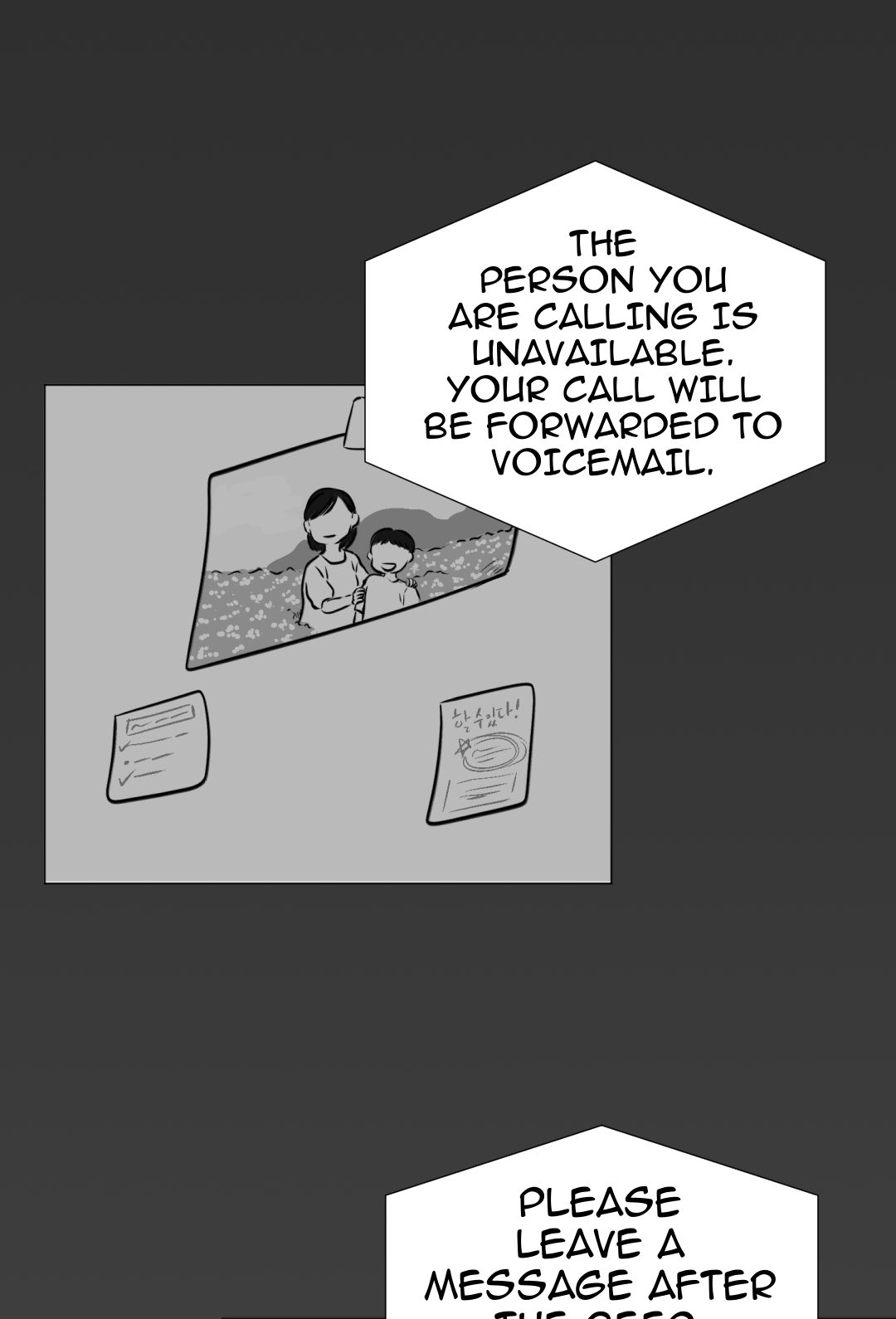
Bublate translates webtoons from any language into any language in the browser. It joins the slices, cuts the strip at blank gaps so no balloon is split, re-letters every balloon, and exports at the sizes each platform asks for. You upload episodes you own or have the rights to. It has no reader app or browser extension. See webtoon translation or, if you make your own comic, how to translate your webcomic.
Frequently asked questions
What does webtoon stand for?
Webtoon is not an acronym. It blends the English words "web" and "cartoon." The blend was made in Korean as 웹툰 (weptun), and English took the word from Korean. The Cambridge Dictionary gives this origin in its entry for the word.
Is a webtoon a manga?
No. Manga are Japanese comics, mostly printed in black and white on pages. A webtoon is a digital comic read as one long vertical strip, usually in colour, a format that started in South Korea. Japan calls comics in this format 縦読み漫画 (tateyomi manga, "vertical-read manga").
Are all webtoons Korean?
No. The format started in South Korea, and the Cambridge definition says webtoons were originally produced there. Today creators in many countries publish in the format, for example on the WEBTOON platform's Canvas section, where anyone can upload their own comic.
Is WEBTOON an app or a type of comic?
Both. Webtoon in lower case is the comic format. WEBTOON in capitals is the comics platform and app run by Naver, which launched in English as LINE Webtoon in July 2014 and took the WEBTOON name in 2019.
What is the difference between a webtoon and a webcomic?
Webcomic is the wider word: any comic published on the internet, in any layout. A webtoon is a webcomic in the Korean format, one long vertical strip per episode, made for reading on a phone. Every webtoon is a webcomic, but not the other way round.
Sources
- Cambridge Dictionary, webtoon · checked
- Cambridge Dictionary, webcomic · checked
- National Institute of Korean Language, Standard Korean Language Dictionary: 웹툰 · checked
- Wikipedia, Webtoon · checked
- Wikipedia, Webtoon (platform) · checked
- Wikipedia (Japanese), ウェブトゥーン · checked
- Wikipedia, Manhwa · checked